How Dental Implants Support Athletic Performance Through Enhanced Bite Stability
The Critical Connection Between Dental Health and Athletic Excellence
Athletes dedicate countless hours to perfecting their physical prowess, yet many overlook a crucial component of peak performance: oral health. The relationship between dental structure and athletic capability extends far beyond mere aesthetics. When tooth loss occurs, whether through injury or decay, the resulting instability in bite mechanics can create a cascade of physiological effects that directly impact an athlete’s performance. Modern dental restoration techniques, particularly dental implants Brentwood, offer a sophisticated solution that addresses not only the cosmetic concerns but also the functional demands required for optimal athletic achievement.
The human jaw operates as a complex biomechanical system, generating forces that ripple throughout the entire body during physical exertion. Research indicates that proper occlusion—the way upper and lower teeth meet—plays a surprisingly significant role in maintaining balance, generating power, and stabilising core musculature during athletic movements. When this system becomes compromised through missing teeth, the body must compensate in ways that can diminish performance and increase injury risk.
Understanding Bite Stability and Its Athletic Implications
Bite stability refers to the consistent, balanced contact between upper and lower teeth during jaw closure. This seemingly simple interaction serves as a foundation for numerous physiological processes essential to athletic performance. When athletes clench their jaw during moments of exertion—lifting weights, sprinting, or executing explosive movements—the force generated travels through the temporomandibular joint and into the neck, shoulders, and core musculature.
Missing teeth create asymmetrical pressure distribution, forcing the jaw to compensate with altered positioning. This compensation triggers a chain reaction: the temporomandibular joint shifts, neck muscles tense unevenly, and the spine adjusts to accommodate the imbalance. For athletes whose performance depends on millisecond timing and precise biomechanics, these subtle shifts can translate into measurable decreases in power output, reaction time, and overall coordination. Sports-related dental injuries frequently necessitate intervention to restore proper function and prevent long-term performance deficits.
The Biomechanical Advantages of Dental Implant Restoration
Structural Integrity and Force Distribution
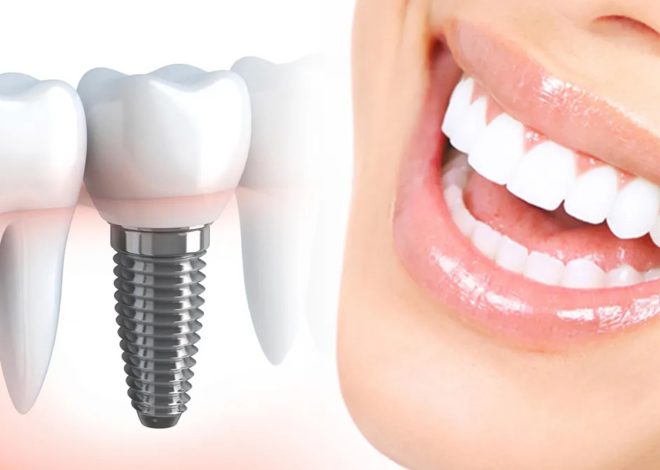
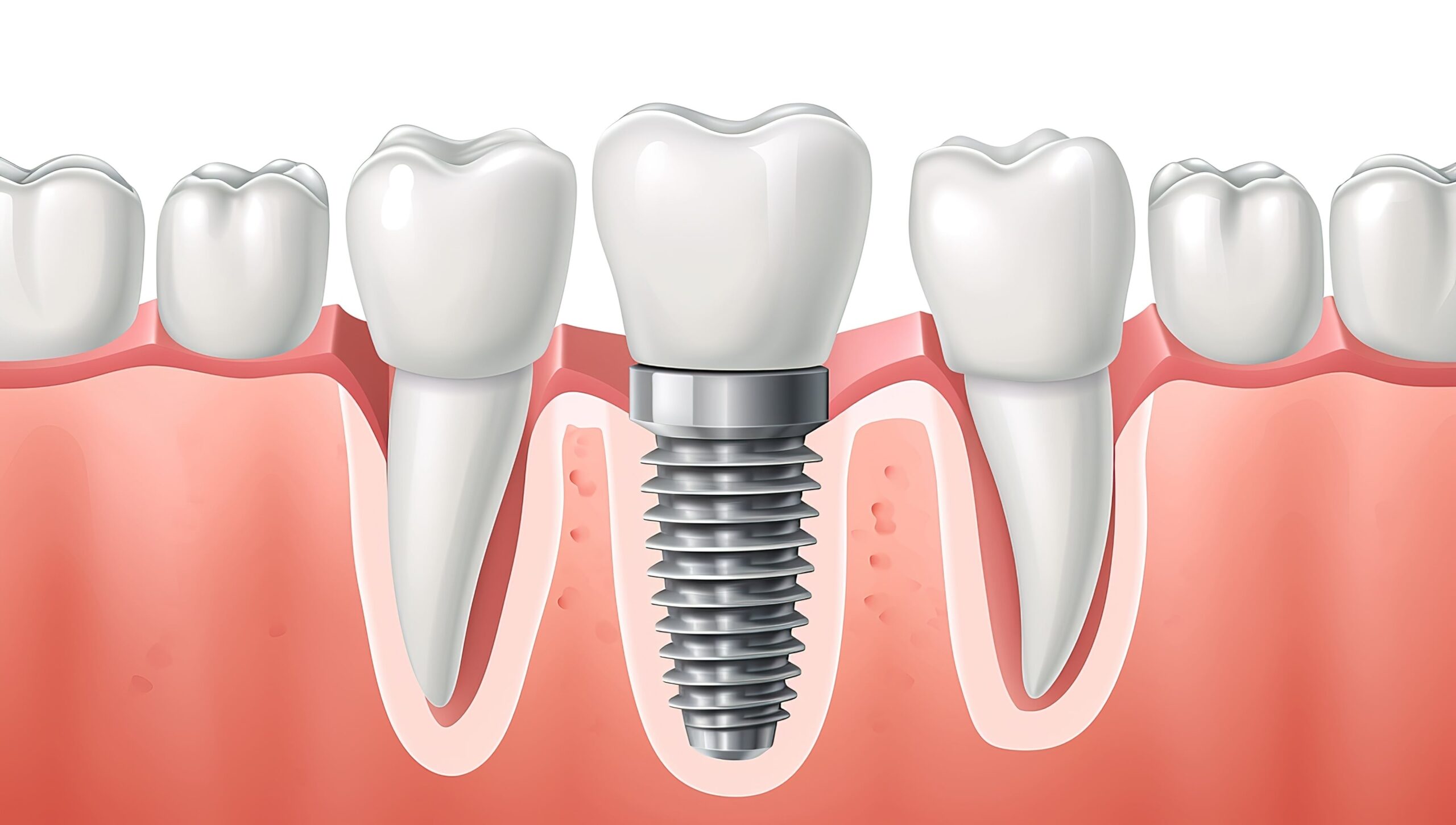
Dental implants provide a level of stability that traditional prosthetic options simply cannot match. Unlike removable dentures or bridges that rest atop the gum line, implants integrate directly with the jawbone through a process called osseointegration. This fusion creates a stable foundation that mimics natural tooth roots, allowing for authentic force transfer during jaw clenching and biting movements. This restoration of proper biomechanics enables athletes to generate maximum power without the concern of prosthetic displacement or discomfort during critical moments of competition.
The permanence of implant-supported teeth eliminates the psychological distraction that often accompanies removable dental appliances. Athletes can focus entirely on their performance rather than worrying about prosthetic stability during intense physical activity. This mental clarity, combined with the physical benefits of restored bite mechanics, creates an environment where optimal performance becomes achievable once again.
Neuromuscular Coordination and Proprioception
The teeth contain numerous proprioceptive nerve endings that provide the brain with spatial information about jaw position and bite force. When natural teeth are replaced with dental implants, these proprioceptive pathways can be partially restored, allowing for improved neuromuscular coordination. This sensory feedback proves particularly valuable during activities requiring precise timing and explosive power generation, where even minor improvements in biomechanical efficiency can yield significant performance gains.
Long-Term Performance Sustainability
Beyond immediate functional improvements, dental implants offer durability that aligns with the long-term career aspirations of serious athletes. Traditional dental prosthetics require periodic adjustment and replacement, potentially causing performance disruptions during critical training or competition periods. Implants, when properly maintained, can last decades whilst maintaining consistent bite stability. This reliability allows athletes to train and compete with confidence, knowing their dental restoration will perform as predictably as their natural teeth.
The relationship between dental implants and athletic pursuits extends to injury prevention as well. Proper bite alignment reduces unnecessary strain on the temporomandibular joint, potentially decreasing the likelihood of chronic jaw pain and associated complications that could sideline an athlete during crucial phases of their career.
Maximising Athletic Potential Through Comprehensive Dental Care
The evidence supporting the connection between dental health and athletic performance continues to strengthen as research methodologies advance. Athletes seeking every possible advantage would be wise to consider their oral health as an integral component of their overall training regime. Dental implants represent more than cosmetic enhancement; they constitute a functional restoration that can genuinely influence physical capabilities through improved bite stability, enhanced biomechanics, and restored neuromuscular coordination. For those committed to achieving peak performance, addressing dental deficiencies with modern implant technology may prove to be an unexpectedly valuable investment in athletic success.