How Remote Monitoring Keeps Property Activity Visible Beyond Business Hours
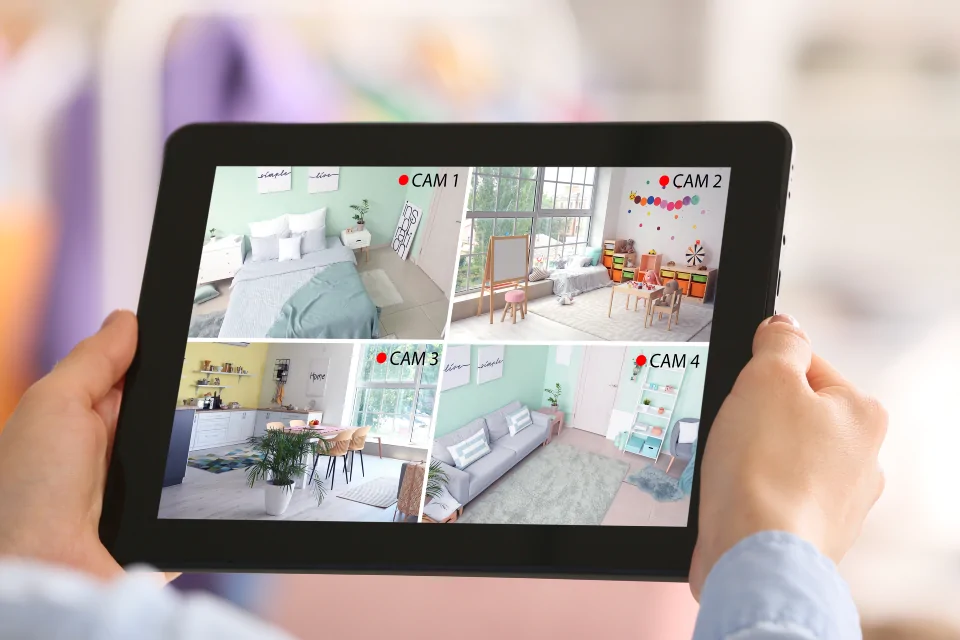
A property can become quiet without becoming inactive. Deliveries arrive, doors open, alarms trigger, and equipment can fail after closing. Modern san antonio business security systems extend awareness beyond staffed hours through connected cameras, sensors, and remote alerts. Remote monitoring helps authorized personnel review activity from a distance. It also creates faster awareness when unusual events occur. With the right setup, after-hours oversight becomes continuous rather than dependent on a closing-time handoff.
Remote Monitoring Extends Evening Oversight
Once employees leave, remote access keeps critical visibility active. Connected cameras can show entrances, loading areas, and restricted zones. Sensors add another layer by detecting motion, door openings, or environmental changes.
Key capabilities can include:
- Live video reaches authorized viewers remotely.
- Alerts flag unexpected movement after closing.
- Sensors report access events without staff.
- Recorded footage supports later incident review.
What Happens When Activity Occurs?
An after-hours event can trigger an immediate notification. The alert may identify motion, access, or equipment conditions. Authorized staff can then check associated camera footage. This process separates harmless activity from situations requiring attention. A delivery near a service entrance looks different from forced access.
For businesses using san antonio business security systems, remote visibility can connect alerts with visual context. That combination reduces guesswork during time-sensitive events.
Cameras Add Context To Security Alerts
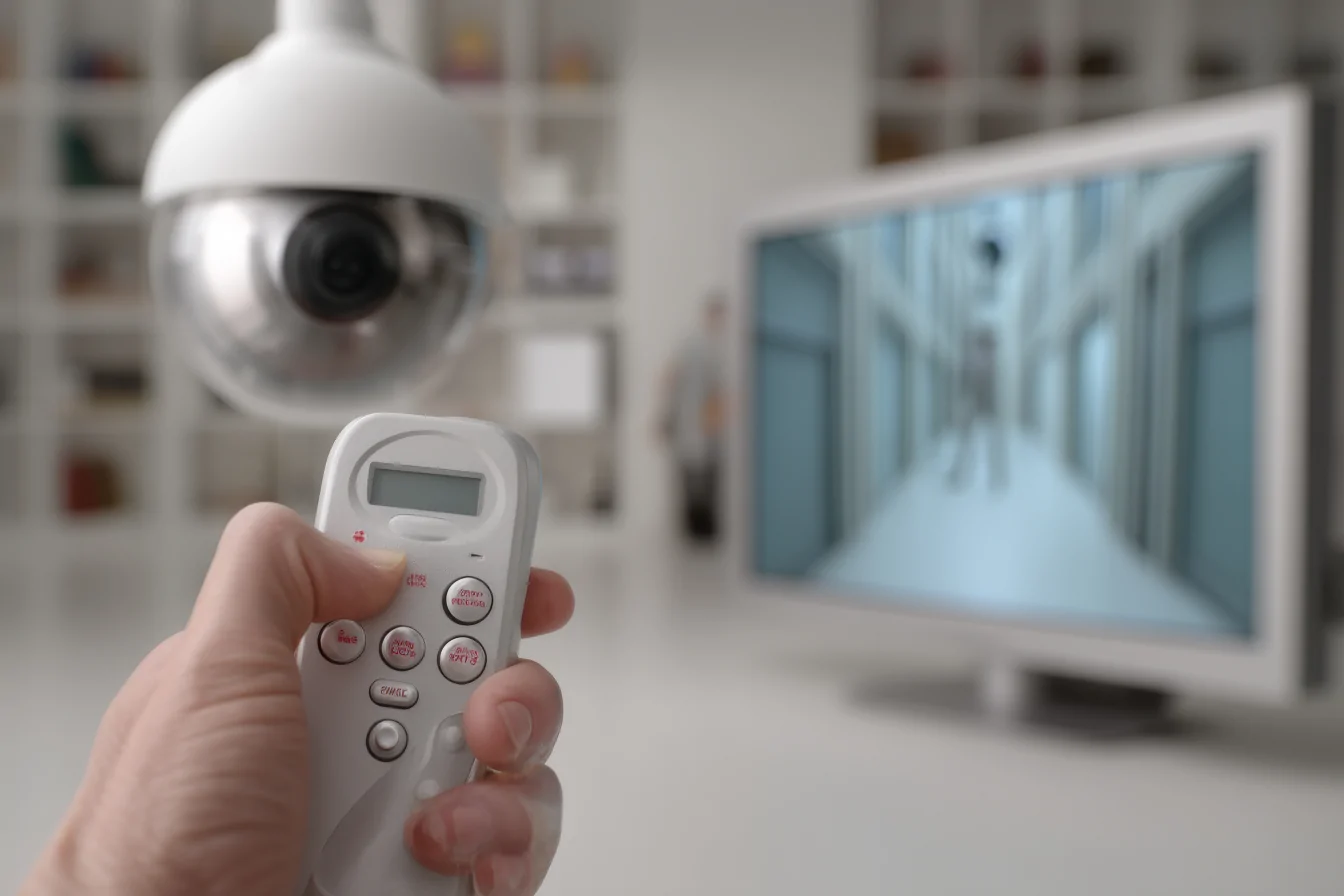
A sensor can indicate movement, but video explains circumstances. Camera coverage can reveal whether a person entered through an approved doorway. It can also show whether equipment, vehicles, or doors remain unattended.
Useful camera placements often include:
- Main entrances capture unexpected access attempts.
- Loading zones document late deliveries.
- Parking areas reveal unusual vehicle activity.
- Interior corridors cover restricted pathways.
Video therefore turns an isolated alert into actionable information.
Can Remote Access Support Faster Decisions?
Remote monitoring does more than display footage. It gives authorized personnel information needed for a measured response. A manager can verify a triggered alarm before contacting onsite staff or emergency services.
That distinction matters after midnight. A false alarm can consume valuable attention, while confirmed activity may demand immediate action. Remote access helps establish facts before decisions escalate.
After-Hours Visibility Changes Risk Management
Consistent monitoring also creates useful operational records. Recorded activity can help clarify delivery disputes, access questions, or equipment incidents. Over time, those records may reveal recurring patterns around certain doors or time periods.
The deeper benefit comes from visibility itself. A property becomes easier to understand when activity remains observable after closing. That perspective can influence staffing, access schedules, camera placement, and future security planning.
When Quiet Hours Still Leave Evidence
A locked property can still generate important signals. A door sensor may register unexpected access at 2 a.m., while nearby footage supplies the missing context. That combination changes remote monitoring from passive observation into informed awareness. After-hours security becomes less about watching everything and more about preserving useful visibility when staff presence disappears.