How Dental Implants Reduce the Risk of Gum Disease and Promote Long-Term Periodontal Health
Understanding the Connection Between Dental Implants and Gum Health
The relationship between tooth replacement and gum health has long fascinated dental professionals and patients alike. When natural teeth are lost, the consequences extend far beyond aesthetics or chewing ability. The very foundation of oral health—the gums and supporting bone structure—faces significant challenges. Dental implants have emerged as a sophisticated solution that addresses not only the visible gap left by missing teeth but also the hidden threats to periodontal wellbeing that often accompany tooth loss.
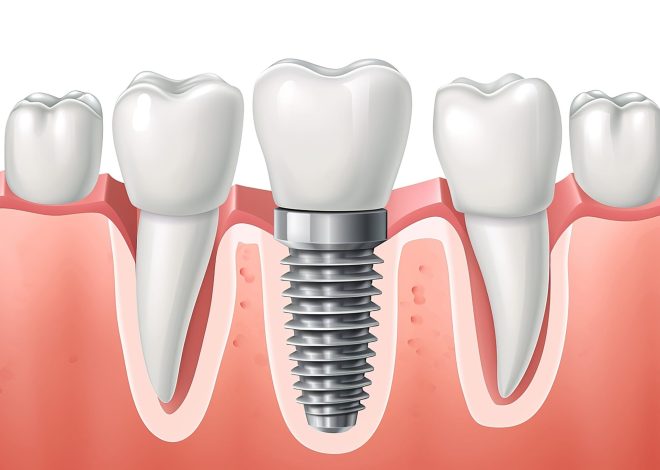
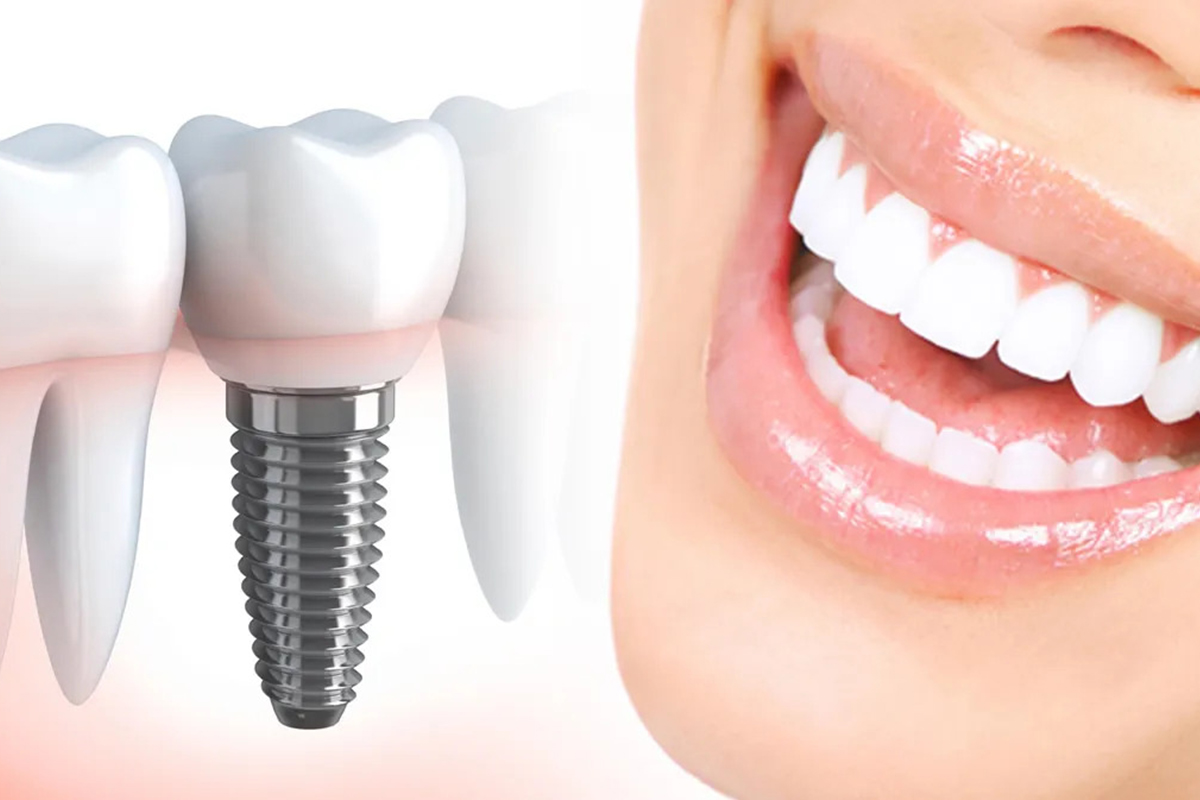
Unlike traditional dentures or bridges that rest atop the gums, dental implants integrate directly with the jawbone, creating a stable foundation that mimics natural tooth roots. This fundamental difference in design philosophy translates into remarkable benefits for gum health. The titanium posts used in implant procedures fuse with the bone through a process called osseointegration, establishing a permanent anchor that helps maintain the integrity of surrounding tissues. Those considering dental implants in Bromley will find that modern techniques have refined this process to offer exceptional long-term outcomes.
The Biological Mechanisms Behind Implant Success
The human mouth operates as a delicate ecosystem where bacteria, tissues, and bone exist in constant interaction. When a tooth is lost, this ecosystem becomes vulnerable to disruption. Empty sockets create pockets where harmful bacteria can accumulate, leading to inflammation and potential infection. The numerous health advantages that dental implants provide stem from their ability to restore this ecosystem to its natural balance.
Preventing Bacterial Accumulation
Dental implants seal the gap where a tooth once stood, eliminating the spaces that typically harbour harmful bacteria. Traditional bridges require grinding down adjacent healthy teeth, creating additional crevices where plaque can accumulate. Implants, conversely, stand independently, allowing for proper cleaning around each restoration. This accessibility enables patients to maintain superior oral hygiene, directly reducing the risk of periodontal disease development.
Preserving Bone Density and Gum Structure
One of the most significant advantages of dental implants lies in their capacity to preserve jawbone density. When natural teeth are absent, the bone that once supported them begins to deteriorate through a process called resorption. This gradual bone loss causes the gums to recede, exposing neighbouring teeth to increased risk of periodontal disease. Implants stimulate the bone through regular chewing forces, maintaining density and preventing the cascade of deterioration that often follows tooth loss.
Long-Term Periodontal Benefits of Implant Restoration
The durability of dental implants contributes substantially to sustained gum health over decades. Research consistently demonstrates that properly maintained implants can last a lifetime, providing stable support that keeps gum tissue healthy and properly positioned. The comprehensive benefits of choosing dental implants extend well beyond initial placement, offering ongoing protection against the periodontal complications that frequently affect other restoration methods.
Reducing Inflammation and Disease Progression
Chronic inflammation represents one of the primary pathways through which gum disease advances. Dental implants reduce inflammatory responses by eliminating the movement and friction that removable dentures create against gum tissue. This stability allows the gums to heal properly around the implant crown, forming a tight seal that prevents bacterial invasion. Studies have shown that patients with implants experience lower rates of peri-implantitis compared to the periodontal disease rates observed in patients with traditional prosthetics.
Facilitating Superior Oral Hygiene Practices
The fixed nature of dental implants allows patients to clean them using the same techniques employed for natural teeth. Brushing and flossing become straightforward processes without the need to remove appliances or navigate complex cleaning protocols. This simplicity encourages consistent oral hygiene habits, which remain the cornerstone of periodontal health. The wide-ranging advantages of dental implant treatment include this practical aspect that supports daily maintenance routines.
Securing Your Periodontal Future
The evidence supporting dental implants as a guardian of gum health continues to accumulate through clinical research and patient outcomes. By addressing both the mechanical and biological aspects of tooth replacement, implants offer a comprehensive solution that protects periodontal tissues whilst restoring function and appearance. For those facing tooth loss, understanding these benefits provides valuable insight into making informed decisions about long-term oral health strategies that prioritise gum wellness alongside aesthetic considerations.