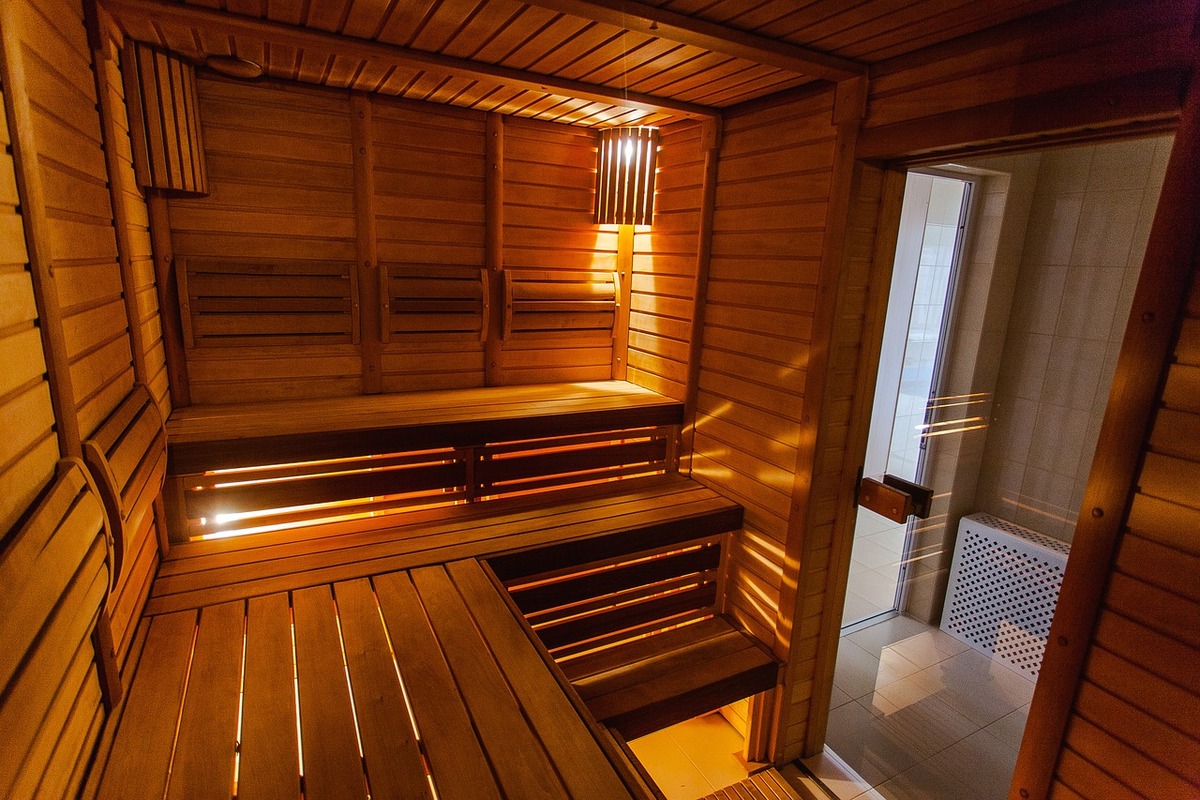
Improve Sauna Durability With Thermally Modified Wood For High Heat Environments
Sauna wood endures punishment few materials face. Heat climbs past 180°F, then humidity swings. Standard boards warp, crack, and darken fast. Homeowners can click here wood for home saunas and compare grades. Thermal modification rewrites that outcome at the fiber level. The treatment uses pure heat and steam. No sealants or preservatives join the mix. Each board gains fresh resilience before installation. This article covers treatment, cooler surfaces, species, and care. Durability gains stay structural, not cosmetic.
Heat And Steam Reshape Wood Fibers
Treatment pushes kiln temperatures beyond 400°F. Only heat and steam touch the boards. No chemicals enter the process at all. Such intensity breaks down sugars in the cell walls. Moisture content drops sharply after cooling. The wood’s structure changes for good. Darker, denser timber leaves the kiln ready for decades.
Why Does Warping Stop In Saunas?
Wet-dry cycles force most wood to swell. Lower moisture content removes that trigger. Thermally modified boards shrug off humidity. The cells hold their shape through repeated heating. Cracks and cupping lose their usual cause. A bench stays flat across years of steam. Structural integrity holds where ordinary pine fails.
Cooler Surfaces Guard Against Skin Burns
Thermal conductivity drops during modification. Heat moves through the wood more slowly. Benches and backrests stay comfortable to touch. Bathers avoid scalding at high cabin temperatures. Careful buyers can click here wood for home saunas to compare. Low conductivity also steadies the room’s warmth. The cabin heats evenly from wall to wall.
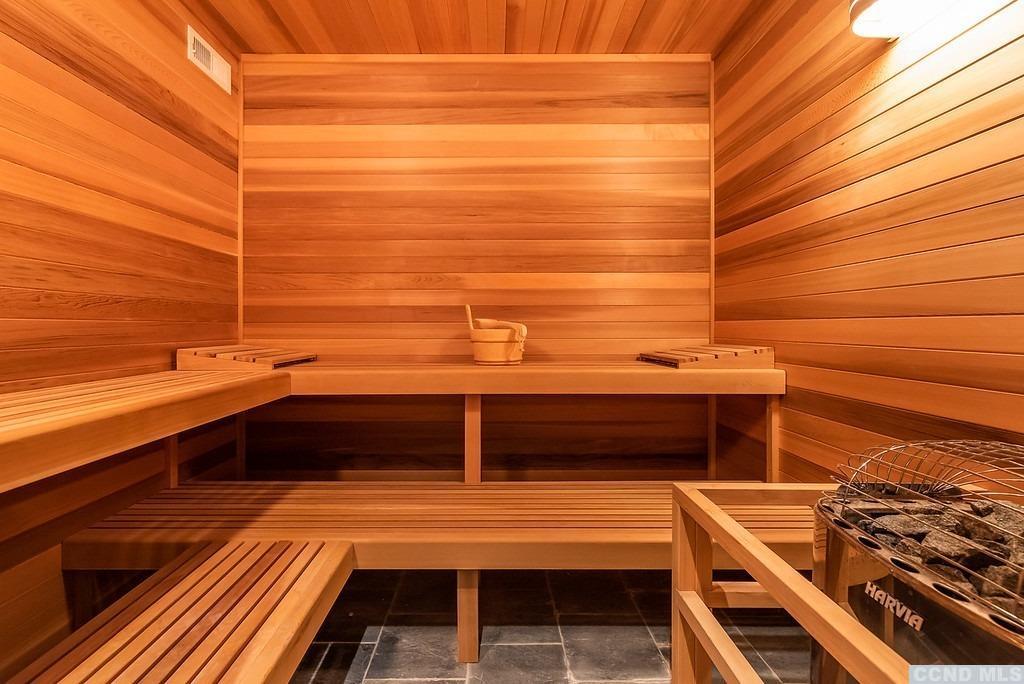
Which Species Perform Under Extreme Heat?
Species choice shapes how a cabin ages. Proven performers span a wide range of looks. Each brings a distinct grain, tone, and strength:
- Spruce resists cracking and suits bench framing
- Pine delivers warm tone at lower cost
- Aspen stays pale and splinter-free for backrests
- Alder offers a refined, darker finished grain
How Should Owners Maintain Treated Wood?
Care stays light with modified timber. A protective oil preserves color and surface. Ventilation after each session prevents mildew. Neglect invites mold into shaded joints. These simple habits protect the whole investment:
- Wipe benches down after use
- Apply paraffin oil when needed
- Dry the cabin between uses
- Check corners for trapped moisture
The 419°F Payoff Over Decades
That 419°F threshold does more than harden fibers. It front-loads a cabin’s full lifespan into one process. A standard sauna demands sealing within a few years. Treated timber moves cost from upkeep to purchase. Buyers trade yearly chores for a single smart choice. Spend once on better boards; the bench outlives the room.
FAQs
Does thermally modified wood smell when heated?
No harmful fumes release, because the process skips all chemicals. Heated boards give off only a mild, natural wood scent.
Can treated wood crack in a hot sauna?
Lower moisture content makes cracking rare in treated timber. Boards keep their shape through constant heat and steam cycles.
Is thermally modified wood more expensive?
Upfront cost runs higher than plain untreated boards. Reduced maintenance and a longer service life offset that gap.
Which species works best for sauna benches?
Aspen and alder stay cool and splinter-free for seating. Spruce suits framing where raw strength matters most.